One handle. Tilt for air, turn to open wide, down to seal tight. Built to measure in Europe, installed by us.
Get a free consultation· How they work
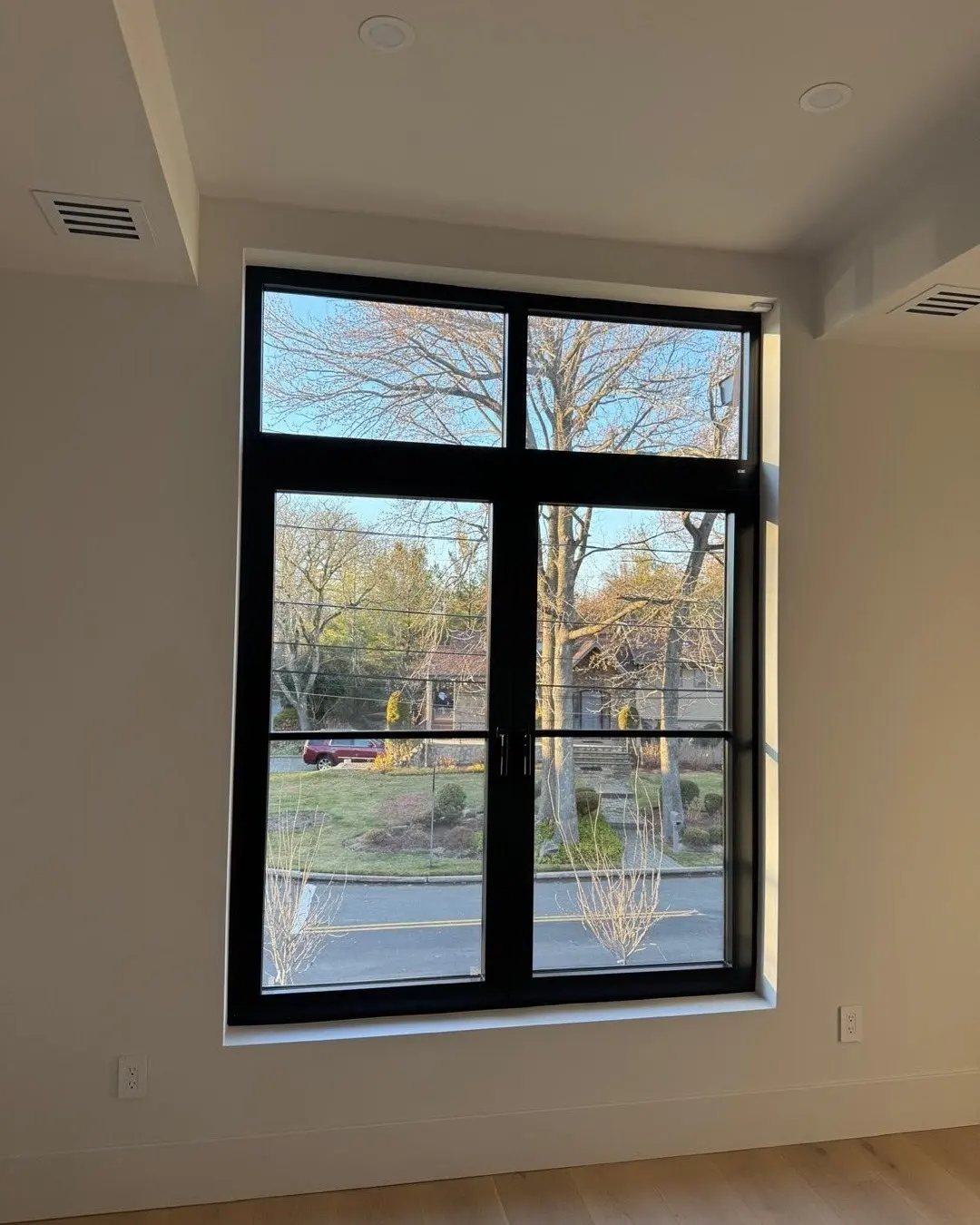
A tilt-and-turn window is the standard window across much of Europe and still a bit of a surprise here. It opens two ways from one handle: the top tips inward a few inches for ventilation, or the whole sash swings in like a door. When it's closed, locking points all around the sash pull it against two or three gaskets. In a climate where it rains sideways for half the year, that combination of secure ventilation and a tight seal is the reason people call us.
Why tilt-and-turn works so well in the Northwest
- Air without rain. In tilt, the opening faces up and inward. Light rain runs down the outside of the glass. You can ventilate a bathroom or bedroom through a drizzly night.
- Seals like a door, not a slider. Sliding windows rely on brush seals where panels pass each other. A tilt-and-turn sash closes onto compression gaskets on all four sides.
- Secure when tilted. The sash stays locked at the bottom and sides while tilted. Combine with a lockable handle on the ground floor.
- Clean from inside. Turn the sash in and wash the outside glass from your living room, even on the second floor.
- Emergency egress. A turned sash opens wide. Ask us to size bedroom windows for egress code.
What should I watch out for?
Honest answers before you buy:
- They open into the room. Plan around blinds, deep sills, plants and faucets. Where that's a problem, use an outswing casement or a tilt-only transom.
- Screens go outside. Because the sash opens inward, screens mount on the exterior: fixed, flex or pleated.
- Window treatments. Choose blinds mounted on the sash or above the frame so the sash can tilt.
- Hardware needs a little care. A drop of oil on the moving parts once a year and an adjustment every few years keep them smooth. See Window maintenance.
Once people live with tilt for a winter, they don't want to go back.
Tilt-and-turn in older Seattle houses
Craftsman bungalows, Tudors and mid-century homes rarely have standard openings. Our windows are built to the measured opening, so we don't shim a catalog size into the wrong hole. There's no custom-size upcharge, because every window is made to order. For houses where the double-hung look matters, the Simulated double-hung windows is a tilt-and-turn behind a classic face. In a view home, a large fixed pane with a tilt-and-turn beside it gives you both the view and the air.
Child safety and security options
Lockable handles, tilt-before-turn hardware (the window tilts first and only turns with a key), restrictors and anti-misoperation devices can be fitted on many systems; ask which ones yours takes. Secure hardware with mushroom-head locking cams is common on European systems.
Tilt-and-turn windows by material
| Material | Systems | U-factor from |
|---|---|---|
| uPVC-steel | P-300, P-500, P-700 | 0.15 |
| Aluminum | MB-79N Pro, MB-86N, MB-Slimline, MB-Ferroline Pro, SlimLine Elite, MasterLine 8 Elite, MasterLine 10 Elite, MB-104 Pro | 0.14 |
| Wood / wood-aluminum | Synergic, Atlantis | 0.16 |