Why it's so common here
Our winters are long, mild and damp. Outdoor air is often near saturation, houses are closed up, and cooking, showers, drying laundry and breathing all add moisture inside. The window is usually the coldest surface in the room, so that's where the water shows up first, typically along the bottom edge of the glass and in the corners of the frame.
Three kinds of window condensation
- On the room side of the glass. The common one. It's an indoor humidity problem made worse by cold glass.
- Between the panes. The glass unit's seal has failed. See foggy glass.
- On the outside of the glass, on cold clear mornings. Normal on very well insulated glass: the outer pane stays cold because little heat escapes through it.
Why it's worst at the bottom edge
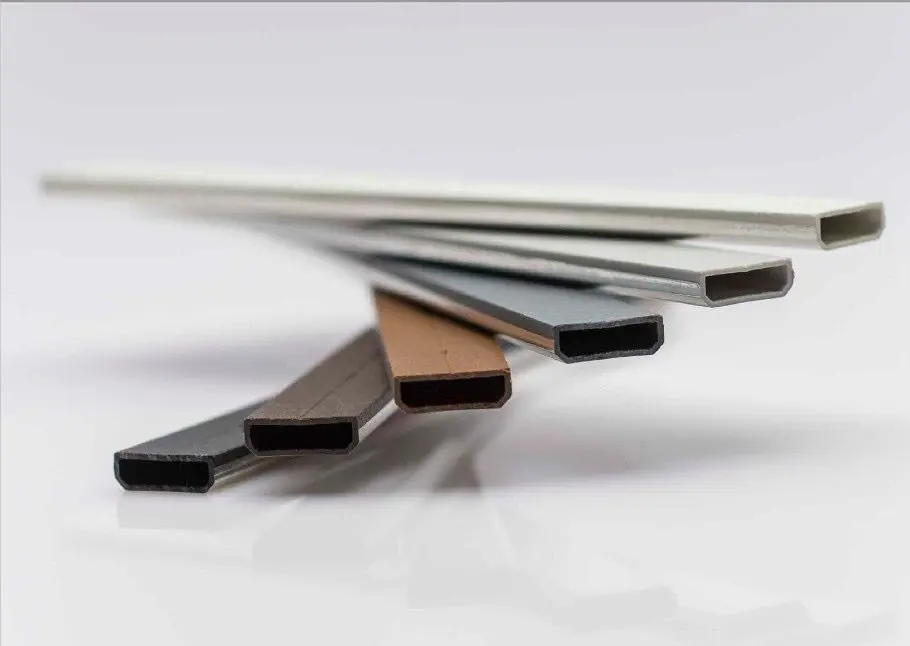
The edge of a glass unit is colder than the center, especially with old aluminum spacers, and cold air slides down the glass and pools at the bottom. That's why water collects on the lower inch of glass and on the sill. Warm-edge spacers and triple glazing raise that edge temperature.
What you can do today
- Run bath and kitchen fans during and for a while after showers and cooking.
- Ventilate in short bursts. With tilt-and-turn windows, turn the sash fully open for a few minutes, or tilt it for longer in the rooms that need it. Short, wide airing exchanges moist air without chilling walls and furniture.
- Keep air moving across the glass. Open blinds and curtains during the day; don't push furniture against windows; keep heat registers below windows clear.
- Watch humidity. An inexpensive hygrometer tells you where you are. Many guidance sources suggest keeping winter indoor relative humidity moderate to limit condensation; the right level depends on how cold it is outside and how well your windows insulate.
- Wipe sills so water doesn't sit on wood, paint or seals.
- Dry laundry in a vented dryer, not on racks indoors.
Callout (unattributed): "In January, the window is the coldest thing in the room. Whatever moisture is in the air finds it."
When the window is the problem
If you control humidity and still have streams of water every morning, the glass or frame is too cold:
- single-pane glass or storm windows
- old aluminum frames without a thermal break
- double-pane units with aluminum spacers
- failed glass units (fog between panes)
- air leaks: cold drafts at a gasket or around the frame make one spot colder
Better windows don't make humidity disappear, but triple glazing, warm-edge spacers and a thermally broken or multi-chamber frame keep the inner surfaces much warmer, so the same indoor air condenses far less.
Mold on sills and frames
Repeated condensation feeds mold on sills, frames and the silicone around glass. Clean it with appropriate cleaners, fix the moisture source, and if it's in the wall or under trim, have the installation checked.
Is condensation on new windows a defect?
Should I keep a window tilted all winter?
Will triple-pane stop condensation?
Related: Triple-pane glass & options · Repairs