
A Different Standard, By Design
European window engineering came from necessity.
Northern and Central Europe built under government-mandated thermal standards that pushed manufacturers to solve a real problem: how to heat a building cheaply when the climate fights you for six months a year. Multi-chamber uPVC profiles, triple-pane glass, and thermally broken frames became the baseline — not a premium option. European manufacturers have been refining the same system for decades.
American windows took a different path.
With cheap energy and a construction industry optimized for speed and cost, the standard became the double-pane vinyl window — easier to build, faster to install, cheaper to buy. It’s a reasonable product for a reasonable price. It was never designed for performance.
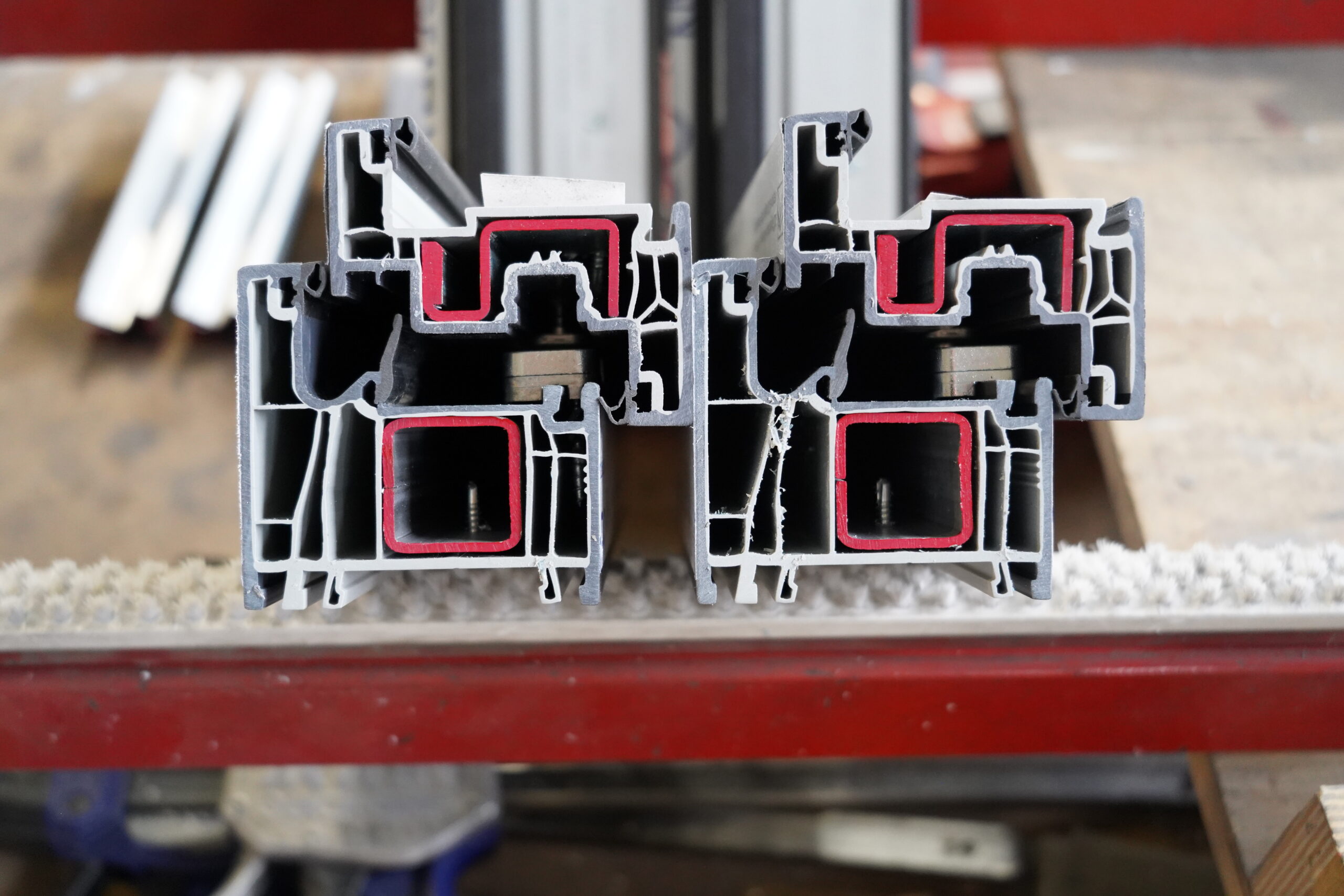
Today a standard American window carries a R-Value around R-3.5. A European-built window sits at R-8. That’s a measurement of how much heat escapes through the frame and glass per hour — European windows lose heat at less than half the rate.

All performance figures are NFRC certified — independently verified, not self-reported.
Thermal Performance You Can Feel
Across a Pacific Northwest winter — roughly 4,500 heating degree days in Seattle — European windows at R-8 lose significantly less heat than a R-3.3 American window of the same size. For a typical home with 200–300 square feet of glazing, this translates to measurable energy savings every year.
Noise Isolation
Triple-pane glass with laminated inner panes doesn’t just insulate thermally — it blocks sound. The combination of mass, multiple air gaps, and a perimeter seal means outside noise has to pass through significantly more material before it reaches you.
Our windows can reduce exterior noise by up to 47 dB. Standard double-pane windows typically achieve 26–28 dB. Because the decibel scale is logarithmic, this isn’t a modest improvement — it’s the difference between hearing traffic as a presence and not hearing it at all.
For homes near arterials, flight paths, or busy neighborhoods, the difference is noticeable from day one.

Triple-Pane Glass — and Why the Frame Matters as Much
Most people focus on the glass. The frame is equally important.
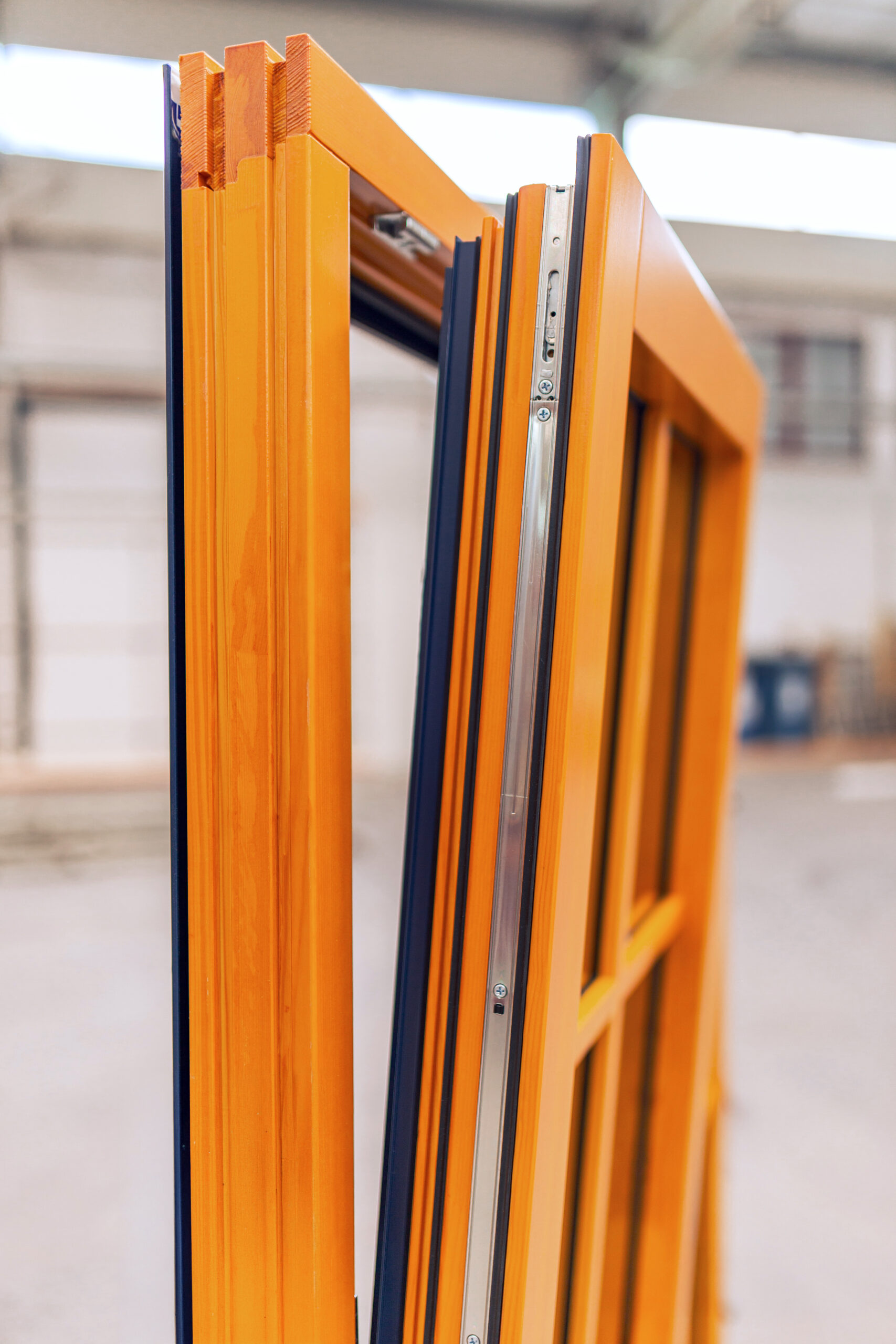
European window profiles are built with five to seven internal chambers that trap air and interrupt heat transfer. American vinyl windows typically use two to three. More chambers mean a more effective thermal break, a more rigid frame, and better acoustic performance.
European windows combine this multi-chamber uPVC profile with triple-pane glass — three layers with two insulating argon-filled gaps. The result is a window that stays close to room temperature even in winter, eliminating condensation and cold drafts near the glass.
The multi-point locking system runs the full perimeter of the frame, pulling the sash tight against the seal at every edge simultaneously. One handle engages five or more locking points — significantly more secure than a standard American single-point lock.
Made to Order — Every Single One
In the US, window manufacturers build to a catalog. If your rough opening doesn’t match a standard size, you either modify the opening or pay a custom premium of 30–50% over the base unit price.
European factories don’t work that way. Every our window is manufactured to your exact dimensions at no additional cost. Custom is the standard. You measure the opening, we order the window.
This matters especially in renovation work, where openings are rarely perfectly standard, and in custom home builds where the architecture drives the opening size — not the other way around.
How European Tilt/Turn Windows Work
Handle / sash position
Meaning

Closed position of the sash
(if the room is unattended or no ventilation is desired)
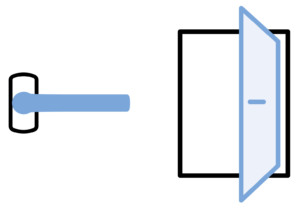
Rotational position of the sash
(for short-term swift ventilation of the room or cleaning the outside windows)

Opening to a gap or night-vent position of the sash
(for continuous ventilation at low outdoor temperatures)

Tilted position of the sash
(for continuous ventilation of the room)